Choosing Between Wireless and Wired for Daily Listening
 Cynthia Kuder
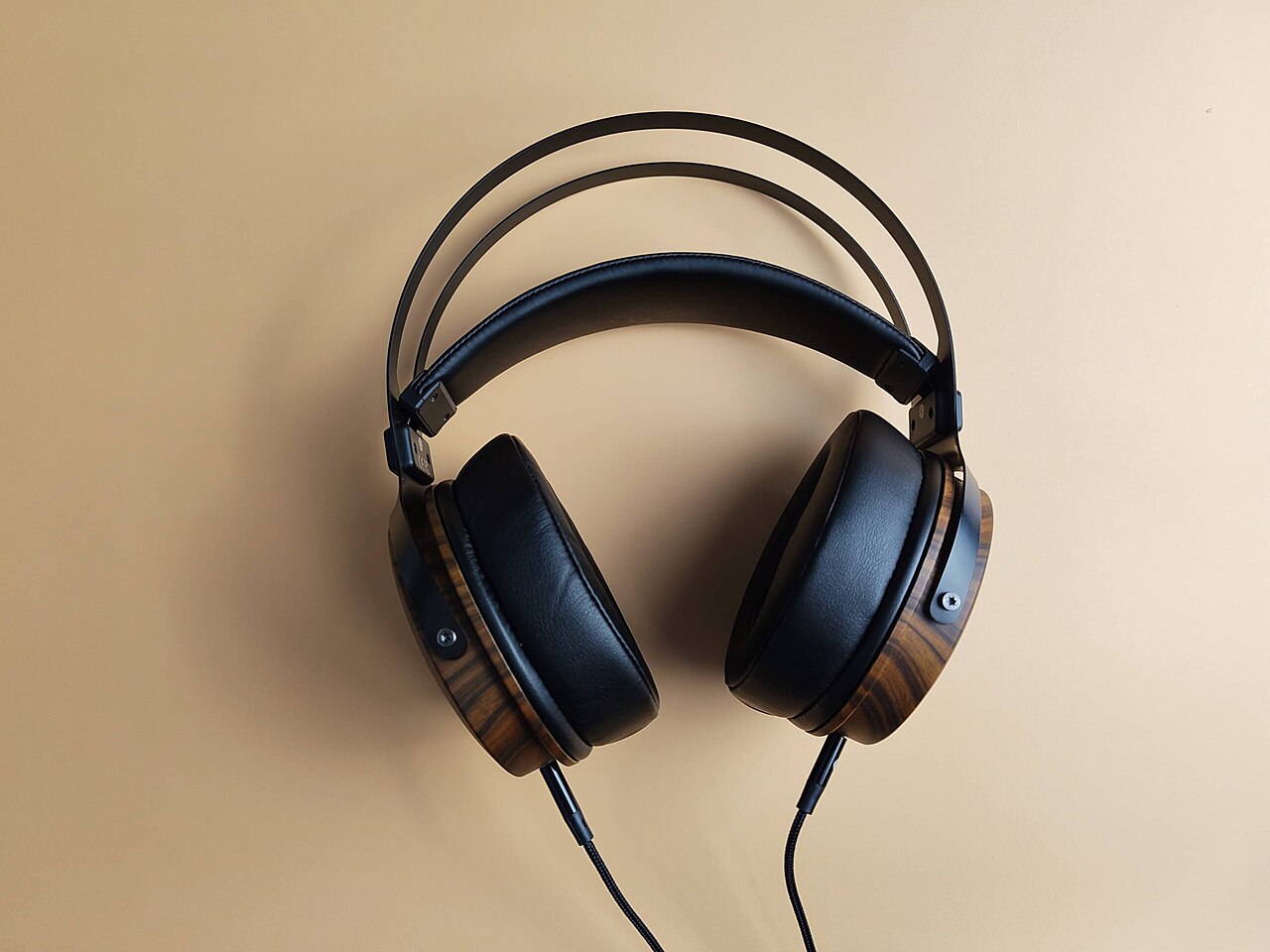
Choose wireless for movement and wired for anything that depends on timing, and the decision takes about a minute once the two questions are clear. Wireless removes the cable and adds latency, a battery and a codec negotiation; wired removes those three and adds a tether.
The case for wireless
Nothing else is as convenient for commuting, for walking and for any activity where a cable would catch on clothing or equipment.
Active noise cancellation is available almost exclusively on wireless designs, and for aircraft and trains that feature matters more than any audio consideration.
Multipoint pairing across a phone and a laptop is another wireless-only feature, and for anyone who takes calls while working it changes the working day.
The cost of wireless
Latency is the first cost. Around 200 milliseconds is audible in video and unacceptable for monitoring a recording.
Battery is the second. Every wireless design has a runtime limit and a battery that degrades from the first charge.
Codec negotiation is the third. The link frequently falls back to a lower-quality mode, and the conditions that trigger the fallback are rarely documented.
The case for wired
Latency is zero, which matters for instruments, rhythm games and video editing.
There is no battery to charge and no firmware to update. A wired pair can sit unused for a year and work immediately.
Repairability is better. A detachable cable means the most common failure point is a swap rather than a service.
Where the difference is audible
In quiet conditions, at a desk, with a dedicated source, the difference between a good wireless implementation and a wired one is smaller than most comparisons suggest.
In noisy conditions the wireless noise cancellation usually wins outright, because the noise floor of the environment dominates any codec difference.
For monitoring and for any task involving visual synchronisation, wired wins without qualification.
The hybrid option
Some wireless designs accept a wired analogue connection as well. That combination covers commuting and desk use from one purchase.
Check whether the wired mode works with the headphone powered off. Models that require the electronics to be active lose the advantage of the wired connection.
Check whether the wired input bypasses the digital processing. Where it does not, the wired mode inherits the same equalisation and the same latency.
Battery end of life
A built-in cell in a headphone typically reaches half its original capacity in three to five years. After that the product is tethered to a charger in practice.
Where the battery is replaceable, the product’s useful life extends substantially. That is worth checking before purchase rather than afterwards.
Wired products have no equivalent failure mode, which is the strongest argument in their favour for a purchase intended to last a decade.
Two-part strategy
Many listeners end up with one wireless pair for movement and one wired pair for everything else. Each covers the other’s weakness and together they cost less than a single premium pair.
If only one purchase is possible, decide which environment you spend more time in and accept the compromise in the other. Most people spend more hours commuting than critically listening, which is why wireless is the more common single choice.
A quick test
Watch a video with lip sync and a metronome or rhythm game. If either looks or feels wrong, the wireless implementation is not sufficient for your use.
Then wear the pair for a full day and note how often you reach for the charger. That number tells you more about daily suitability than any specification.
The latency question in detail
Latency has three components: the encoding delay, the transmission delay and the decoding delay. Only the total matters, and it is rarely published.
Most video players compensate for a fixed delay automatically, which is why a high-latency pair can look perfectly synchronised while a pair with variable latency drifts within the same file.
For recording, monitoring and rhythm games, the variable component is the problem rather than the fixed one. Wireless is unsuitable for all three unless a dedicated low-latency mode is available and enabled.
Charging habits that extend life
Keeping a lithium cell between 20 and 80 percent reduces the rate of capacity loss compared with full cycles from empty to full.
Heat is the larger factor. Charging in a warm pocket immediately after a session accelerates degradation more than the depth of discharge does.
Where a case holds additional charge, leaving it in the case at high temperature is the worst combination available. Store it at room temperature where possible.