When to Replace Rather Than Repair Audio Gear
 Cynthia Kuder
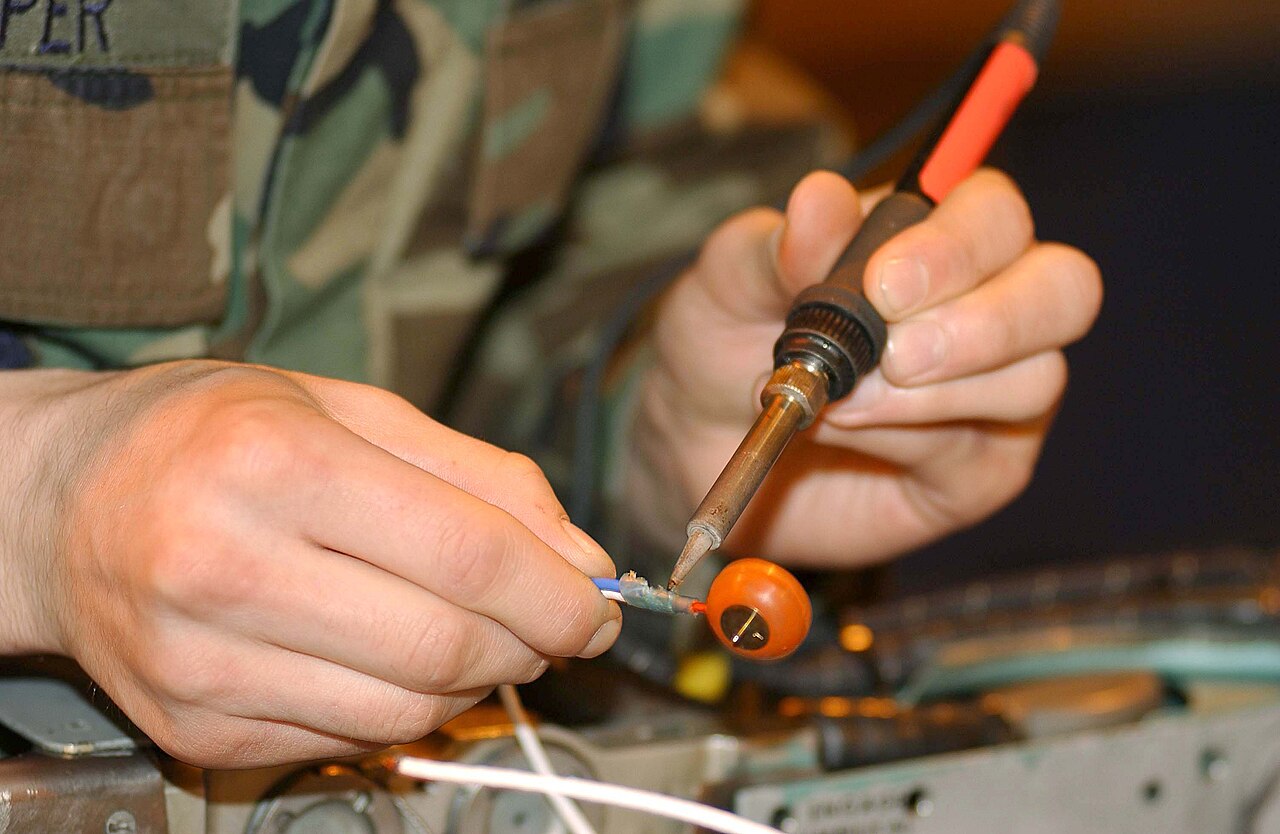
Repair when the fault is in a replaceable part, replace when it is in a sealed assembly, and the decision becomes arithmetic rather than sentimental. Most audio faults fall into a small number of categories, and each has a predictable repair cost.
Pads, cables and connectors
These are the three most common failure points and all three are designed to be replaced on better equipment.
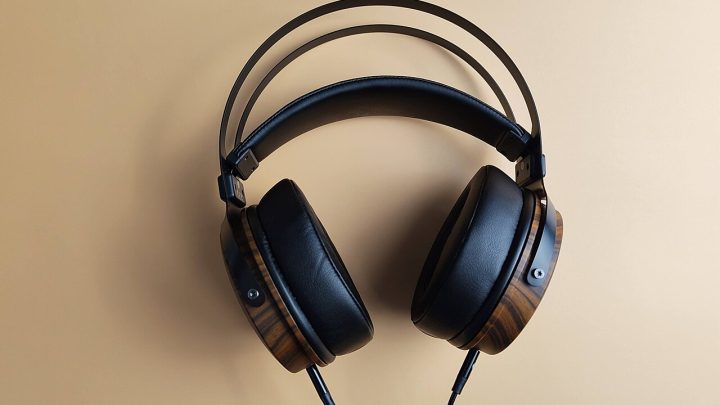
Compressed pads cost a modest amount and restore both comfort and the original tuning. A broken cable is a ten-second swap where the connector is detachable.
A failed connector on a fixed cable is more expensive, because it requires either a retermination or a replacement cable assembly, but it is still far cheaper than a new pair of headphones.
Drivers and sealed assemblies
A driver that rattles, distorts at moderate levels or has lost level on one channel is usually beyond economic repair.
Drivers are matched in pairs at the factory, and replacing one changes the channel balance unless both are replaced. On most models both are not available separately.
Where the driver is sealed into a moulded housing, opening it damages the housing. That combination of factors makes replacement the sensible answer.
Amplifiers and capacitors
An amplifier that hums, loses a channel or has developed a scratchy control usually has an identifiable component failure.
Electrolytic capacitors degrade with age and heat. Replacing them is a standard service job and restores performance in equipment that is otherwise sound.
A transformer failure or a damaged circuit board is more serious. Where the replacement part is unavailable, repair costs can approach the value of the unit.
Assessing whether it is worth it
Compare the repair cost with the price of an equivalent replacement, then add the value of the time involved.
A repair costing a quarter of the replacement price is almost always worthwhile. A repair costing three quarters is usually not, unless the unit has a specific character you cannot replace.
Consider the warranty. Repairing an item still under warranty with a third party usually voids the remaining coverage.
What wears out predictably
Foam and leather pads harden within two to five years depending on use and humidity. Headband padding compresses over the same period.
Battery cells in wireless products lose capacity from the first charge and typically reach half their original runtime in three to five years.
Potentiometers develop noise as their tracks wear. A scratchy volume control is an early warning rather than a final failure.
What lasts
Drivers themselves have no wear mechanism under normal use, provided they are not overdriven. Mechanical parts such as headbands and hinges outlast electronics in most cases.
Metal frames and plugs last indefinitely. Plastic yokes are the most common structural failure and are usually the part that ends a product’s life.
Cables fail at the points of flexure, which is why a detachable cable at both ends extends the life of a headphone considerably.
Making the decision quickly
Identify the failed part. Check whether it is sold separately. Compare its price with the replacement price of the whole unit.
If the part is not sold separately and the fault is not obviously a loose connection, plan for replacement. If it is sold separately, repair is usually the better value.
Keeping spares
A spare cable, a spare set of pads and a spare set of ear tips cover the majority of failures for the cost of a modest accessory purchase.
Storing them with the equipment means the failure is resolved in minutes rather than in the time it takes to order a replacement.
Repairing versus upgrading
A repair restores the original performance; an upgrade changes it. Where the fault is in a replaceable part, repair is straightforward and predictable.
Where the fault is in a part that has improved significantly since the purchase, the repair cost and the upgrade cost may be close. At that point the decision becomes a matter of whether the original design is still what you want.
Keep the failed unit if the parts are still available. A second sample makes diagnosis of a future fault much faster.
Whatever the decision, write the fault and the outcome into a note. The same failure recurs across a product line, and the second occurrence is easier to handle than the first.