Buying Used Audio Equipment: What to Inspect and What to Avoid
 Cynthia Kuder
Inspect the replaceable parts first, listen at a low level before a high one, and most used audio purchases turn out well. The savings are largest in transducers and smallest in electronics that contain wear-prone components.
The case for buying used
Headphones and speakers lose value quickly and retain function for a long time. A five-year-old pair in good condition performs the same as the day it was made, provided the pads have been replaced.
Electronics age less gracefully. Capacitors and batteries degrade, and service costs can absorb the saving on a low-priced unit.
The ratio of saving to risk is therefore best for passive devices and worst for anything with a battery or an electrolytic capacitor in a hot enclosure.
Inspect the headband and frame
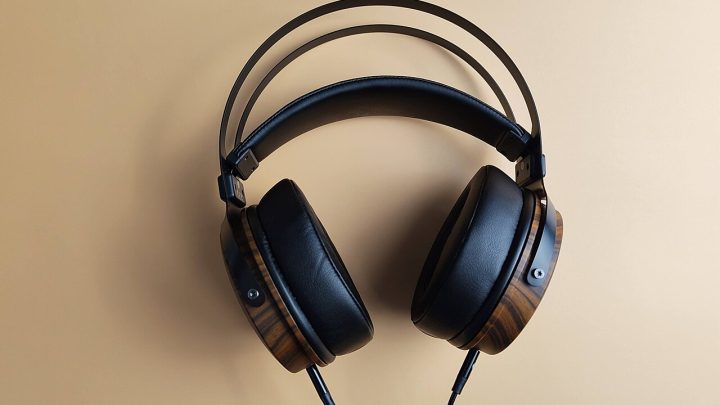
Look for cracks where the band meets the yokes. That joint carries the most stress and is the first structural failure point.
Check the sliding mechanism for play and for smooth travel. A band that slips under its own weight will not hold a position during use.
Plastic yokes are the most common failure. Where the yoke is metal, the frame is likely to survive the driver.
Inspect the pads and cable
Compressed or cracked pads indicate heavy use and add a replacement cost. Budget for it rather than treating it as a cosmetic issue.
Check the cable for stiffness and for visible kinks near the plugs. Flexural failure starts at the plug and works inward.
Where the cable is fixed, flex it while listening for crackling. That test finds the most common fault in used headphones.
Listen at low level first
Low-level listening reveals channel imbalance, a loose connection and background noise. High-level listening masks all three.
Play a recording with a centred voice and check that the image sits in the middle. A pair with a failed driver will pull the image to one side.
Then raise the level and listen for rattles and buzzes. A rattle at moderate level indicates a driver problem that is not economically repairable.
Check the impedance and continuity
A multimeter across the plug contacts gives a quick indication of driver continuity and of whether both channels match.
The reading will not equal the nominal impedance, because it measures the direct current resistance of the voice coil. A reading far outside the expected range, or a large difference between channels, indicates a fault.
An open circuit on one channel with the other reading normally means a broken connection rather than a failed driver in many cases. That distinction changes the repair cost considerably.
Electronics: what to test
Listen for hum with no input connected. A hum indicates a power supply or ground problem that may be simple or may indicate a failing transformer.
Rotate every control through its full range while listening. Noise at a specific position indicates a worn potentiometer, which is replaceable but not free.
Check the power supply for a swollen capacitor or a smell of overheated components. Both indicate a unit that has been run hot and may fail shortly afterwards.
Questions to ask the seller
Ask how long the item has been in use, whether it has been repaired, and whether it comes with the original accessories.
Ask for the original invoice where the item is young enough to carry a manufacturer warranty. Some warranties transfer and many do not.
Ask whether the price includes shipping and whether the item will be packed in the original box. Shipping damage is common with heavy speakers and large amplifiers.
What to avoid
Avoid anything described as untested, and avoid items sold without the ability to return them where the fault would be invisible in a photograph.
Avoid rare models with no available spare parts. A bargain on an orphan design becomes expensive the first time a pad or a driver is needed.
Avoid old batteries. A wireless product with a built-in cell that cannot be replaced has a defined end of life, and the price should reflect it.
Packing and shipping
Ask how the item will be packed before agreeing. Heavy speakers and amplifiers are frequently damaged in transit when packed in a single layer of cardboard.
Where the original box is unavailable, a double-walled carton with foam at all corners is the minimum acceptable protection.
Photograph the item on arrival before unpacking fully. A damaged shipment is easier to claim when the packaging is documented.