Building a First Headphone Setup Under a Fixed Budget
 Cynthia Kuder
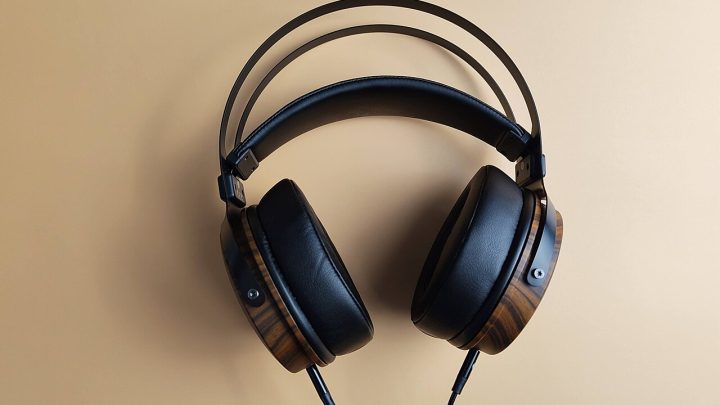
Spend on the headphone first and the electronics second, because the transducer sets the ceiling of what the system can do. A modest amplifier driving a well-chosen headphone outperforms an expensive amplifier driving a poor one, and the difference is not subtle.
Divide the budget in a known ratio
A workable split for a first setup is roughly 60 percent on the headphone, 25 percent on the source or amplifier, and 15 percent on accessories such as pads and a spare cable.
The ratio shifts with the headphone chosen. A high-impedance design needs a larger share for the amplifier; a sensitive portable pair needs almost none.
Resist the temptation to spend evenly. An even split usually produces a system that is limited by the cheapest part in the chain.
Start from the use case
Decide where you will listen before deciding what to buy. A desk in a quiet room supports open-back headphones; a shared office or a commute does not.
Then decide the source. A phone, a laptop, a dedicated player and a desktop amplifier each impose a different requirement on impedance and sensitivity.
Write those two answers down. Nearly every buying mistake comes from choosing a component that contradicts one of them.
What to prioritise inside the headphone
Comfort comes first, because an uncomfortable pair will not be used. Fit and clamp force override every specification on the box.
Then look at the tuning against your listening. A neutral response suits a wide range of material; a bass-lifted response suits commuting and modern production.
Build quality and spare part availability come third. Replaceable pads and a detachable cable extend the life of a pair considerably and cost very little at the point of purchase.
Where cheap electronics are acceptable
A basic DAC and amplifier can be entirely adequate. Converter chips have improved to the point where a modest unit is transparent for practical purposes.
The parts that remain important are output impedance, which should be low, and the gain structure, which should suit your headphone’s sensitivity.
A well-implemented inexpensive amplifier with a low output impedance is a better purchase than an elaborate one with a high output impedance.
What to skip at first
Skip premium cables. They do not change a properly functioning system, and the money is better spent on the headphone.
Skip a second pair of headphones until the first is fully understood. Two mediocre pairs teach less than one good one used for a year.
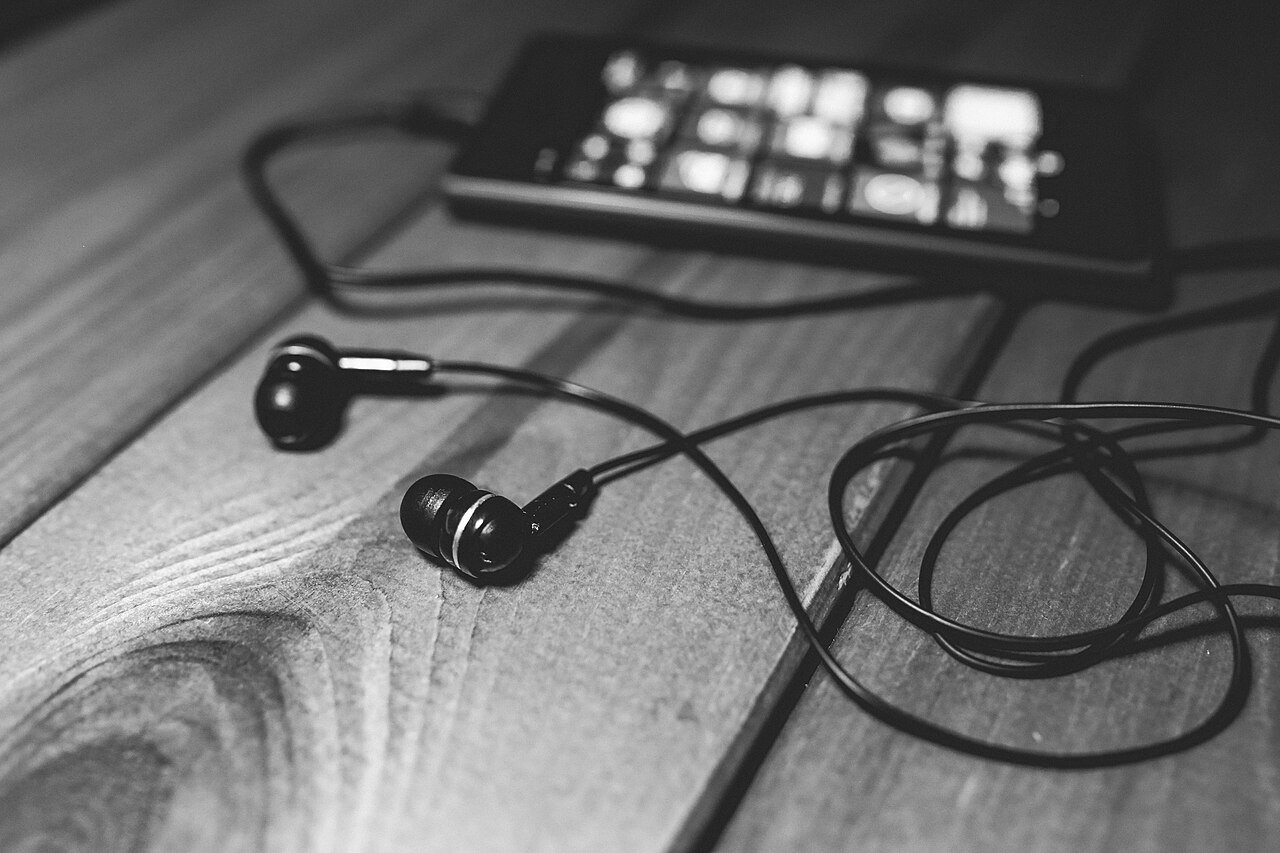
Skip the measurement accessories until you have a specific question. A basic in-ear microphone and a phone app cover most home investigation.
Buying used
Used headphones are the largest single saving available in audio, provided the pads and cable are replaceable.
Inspect the headband for cracks, the yokes for play, and the pads for compression. Listen for a rattle at moderate level, which usually indicates a driver that has been overdriven.
Consider that replacement pads can cost a significant fraction of a used pair’s price. Factor that into the comparison rather than discovering it afterwards.
The upgrade path
After the headphone, the amplifier is the part that most often limits a system. After the amplifier, the source becomes limiting for a small number of listeners with difficult recordings.
Cables and connectors come last and rarely matter. Treat any claim otherwise as a claim requiring a level-matched demonstration.
Keeping the old components is worthwhile. A spare amplifier is more useful than a spare cable when something fails.
A concrete example
A 200-unit budget might go 120 on a closed-back pair for commuter use, 60 on a small USB DAC, and 20 on a set of spare pads.
That system will outperform a 200-unit system built evenly across the three parts, and it will still be useful after the first upgrade.
When the budget is very small
A single pair of closed-back headphones and a phone can be a complete system. It will not be the last system, and it teaches the priorities faster than buying three components at once.
Add an amplifier when a specific headphone requires one, not before. Buying electronics in advance of a need usually means buying the wrong thing.
Where the choice is between a better headphone and an amplifier for the pair you own, the headphone usually wins until the pair clearly cannot be driven.