Recording Voice at Home: Distance, Off-Axis Response and Room Tone
Control the distance and the angle before you spend anything on the microphone, because those two choices decide how much room ends…
 Cynthia Kuder
Reviews audio hardware with a measurement rig and a notebook. Covers headphones, in-ears, speakers and the electronics that drive them.
Control the distance and the angle before you spend anything on the microphone, because those two choices decide how much room ends…
Cynthia Kuder
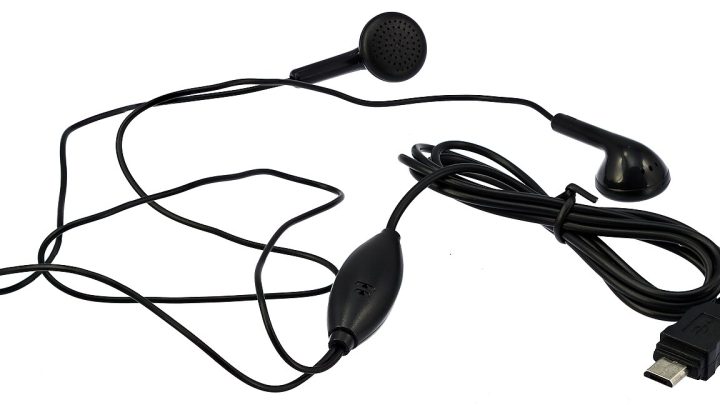
Wired in-ear monitors solve three problems that wireless earbuds cannot: latency, reliability and isolation at a controlled level. They are the only…
Cynthia Kuder
Set one monitoring level and leave it alone, and both your ears and your mixes improve. Constant level changes destroy the reference…
Cynthia Kuder
Choose the interface by its preamps and its monitoring features, not by its converter chip, because the converter is rarely what limits…
Cynthia Kuder
Choose wireless for movement and wired for anything that depends on timing, and the decision takes about a minute once the two…
Cynthia Kuder
Clamp force decides whether a headphone can be worn for hours; weight only decides how it feels in the first ten minutes.…
Cynthia Kuder
Check the mix on at least three playback systems and note what changes, because a mix that only works in one place…
Cynthia Kuder
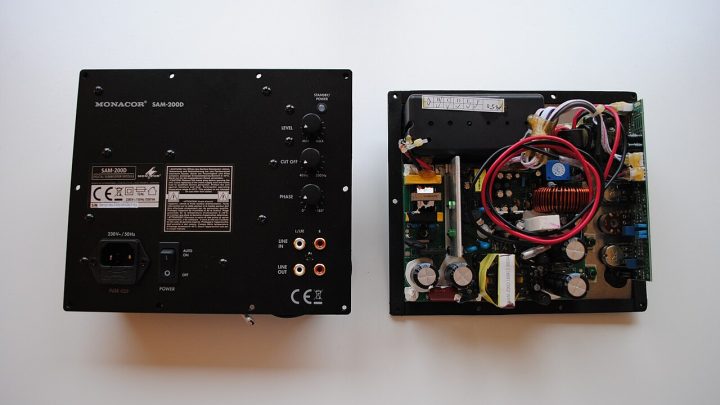
Set the level first, then the crossover, then the phase, and a subwoofer stops sounding like a separate box. Most integration failures…
Cynthia Kuder
The seal is the single largest variable in how an in-ear sounds, and it is decided entirely by tip size and insertion…
Cynthia Kuder
Placement changes the low end more than the choice of speaker does, and in a small room three decisions cover most of…
Cynthia Kuder
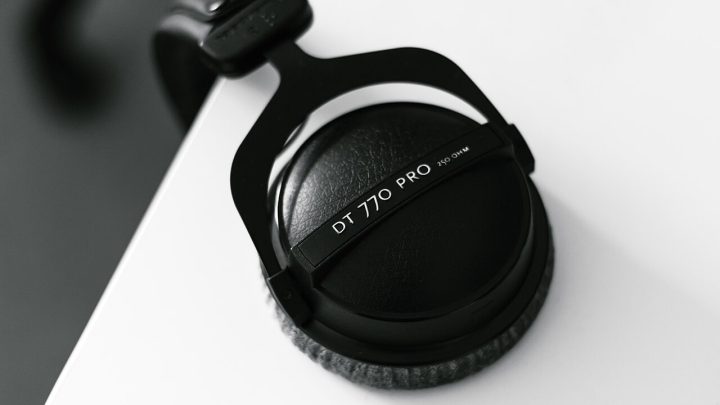
Look for voltage swing and a low output impedance, and a high-impedance headphone becomes straightforward to drive. The 250 to 600 ohm…
Cynthia Kuder
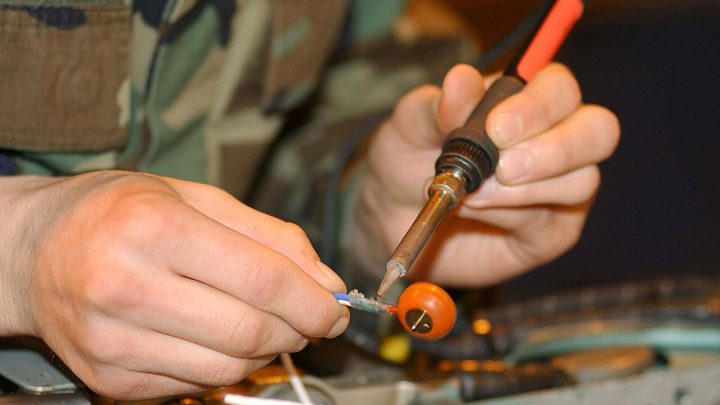
Repair when the fault is in a replaceable part, replace when it is in a sealed assembly, and the decision becomes arithmetic…
Cynthia Kuder