Balanced Outputs: What the Extra Voltage Buys You
 Cynthia Kuder
Choose a balanced output only when the headphone needs more voltage or the cable run is long, and ignore it otherwise. A balanced connection doubles the available voltage and rejects interference on the cable, which matters in specific situations and does nothing at all in others.
How a balanced output works
A single-ended output has one conductor per channel carrying the signal and a shared ground return. A balanced output has two conductors per channel driven in opposite polarity, with the ground connected only to the shield.
The headphone sees the difference between the two conductors, which is twice the voltage of either one alone. That is the source of the extra level, not a change in the amplifier’s gain.
Because the two conductors carry equal and opposite signals, any interference picked up along the cable appears equally on both and cancels at the headphone.
Where the extra voltage helps
High-impedance dynamic headphones and low-sensitivity planar headphones both benefit. Doubling the voltage is worth about 6 dB, which can be the difference between marginal and comfortable on a demanding pair.
The benefit is real but not free. The amplifier must be genuinely balanced throughout rather than simply converting a single-ended output to a balanced connector, because the latter doubles the level without adding rejection.
Where an amplifier offers both outputs, comparing them at matched levels isolates the benefit. Matched-level comparison usually produces a much smaller difference than the unmatched comparison suggests.
Where it makes no difference
Sensitive in-ears need a small fraction of the available voltage, and the extra headroom is irrelevant. What matters there is the noise floor and the gain structure.
A short cable run at a desk is not an environment where interference rejection matters, because there is very little interference to reject.
A headphone that already reaches comfortable levels at a quarter of the volume travel will not sound different on a balanced output except in the rare case where the amplifier’s single-ended stage is compromised.
Crosstalk and channel separation
In a single-ended design the shared ground return creates a small amount of coupling between channels. The result is crosstalk, where a signal in one channel leaks faintly into the other.
The audible effect is a slight narrowing of the stereo image, and because each ear hears a little of the other channel, the effect is sometimes described as a warmer or more blended presentation.
A balanced output removes the shared return and reduces crosstalk considerably. Whether that is audible depends on how much crosstalk the single-ended design had in the first place, and many designs are already well below the threshold.
Connector standards and mistakes
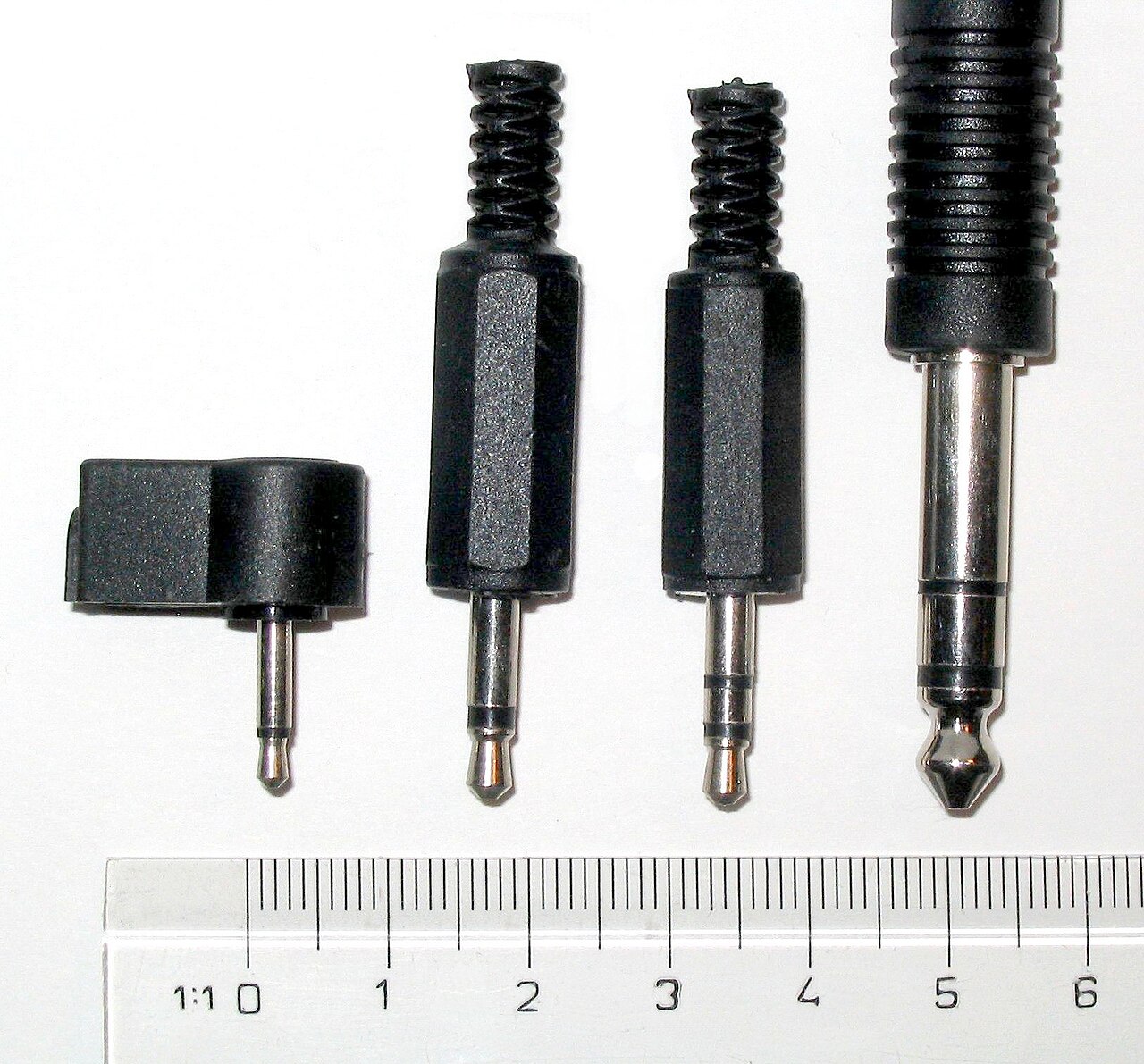
Several incompatible wiring standards use the same 4-pin connector. Connecting a headphone wired for one standard to an amplifier wired for another shortens one channel and leaves the other open.
The usual symptom is a channel that is silent or dramatically quieter, not a subtle change in character. If that happens, stop and check the wiring rather than raising the volume.
An adapter from a 4-pin connector to separate left and right connectors produces a balanced result only when the amplifier is balanced. On a single-ended amplifier it produces a short.
Adapters and fake balance
A converter that takes a single-ended output and presents it on a balanced connector changes the plug, not the circuit. The level may rise and the rejection does not.
Where an amplifier has a genuinely balanced topology, the internal stages are duplicated per channel and there is no shared return anywhere in the path.
The distinction is worth checking in the specification before paying a premium, because the two arrangements are frequently described with identical language.
When it is the right choice
Choose balanced when the headphone is difficult to drive, when the cable is unusually long, or when the amplifier’s balanced stage is measurably better than its single-ended stage.
Do not choose it because a balanced output is listed as a premium feature. The relevant question is whether the headphone needs more voltage, and that question has a numerical answer.
Comparing properly
Match the levels before comparing. A 6 dB difference in loudness consistently produces a preference for the louder option, so an unmatched comparison measures the level rather than the topology.
With levels matched, most listeners find the difference small on moderate loads and clearer on demanding ones, which is exactly what the theory predicts.