Monitoring Levels and Hearing Safety During Long Sessions
 Cynthia Kuder
Set one monitoring level and leave it alone, and both your ears and your mixes improve. Constant level changes destroy the reference a mixer depends on, and hearing damage accumulates without any warning sensation, so the level habit matters more than any piece of equipment.
Why a fixed level works
The ear’s sensitivity changes with level, and the balance you perceive between bass, midrange and treble shifts accordingly. A mix heard at 90 dB and the same mix heard at 70 dB will not sound the same, even though the file is identical.
If you adjust the monitor level while working, you are mixing against a moving reference. Decisions made at one level are undone by the next.
Fix the level once, then compare different passages and different mixes at that same level. Consistency is what makes a mix decision reliable.
Choosing a working level
A practical working level for a small room is around 75 to 80 dB SPL with peaks 10 dB above that. Loud enough to hear the low end, quiet enough to work for hours.
Measure it once with a phone meter at the listening position using pink noise. Once the number is established, mark the monitor control and leave it there.
Check mixes at a much lower level occasionally, around 60 to 65 dB. Low-level listening exposes balance problems in the midrange that loud listening hides.
What loud monitoring costs
Prolonged exposure above 85 dB causes cumulative damage, and the damage is not reversible. The safe duration halves for every 3 dB above that threshold.
The difficulty is that damage does not feel like anything at the time. Tinnitus and muffled hearing after a session indicate that the level was too high, but the loss of sensitivity at specific frequencies shows up later.
Take a break every 45 to 60 minutes. Beyond the hearing considerations, the ear’s judgement degrades within that period, so breaks improve the work as well as protecting the ears.
Headphone monitoring rules
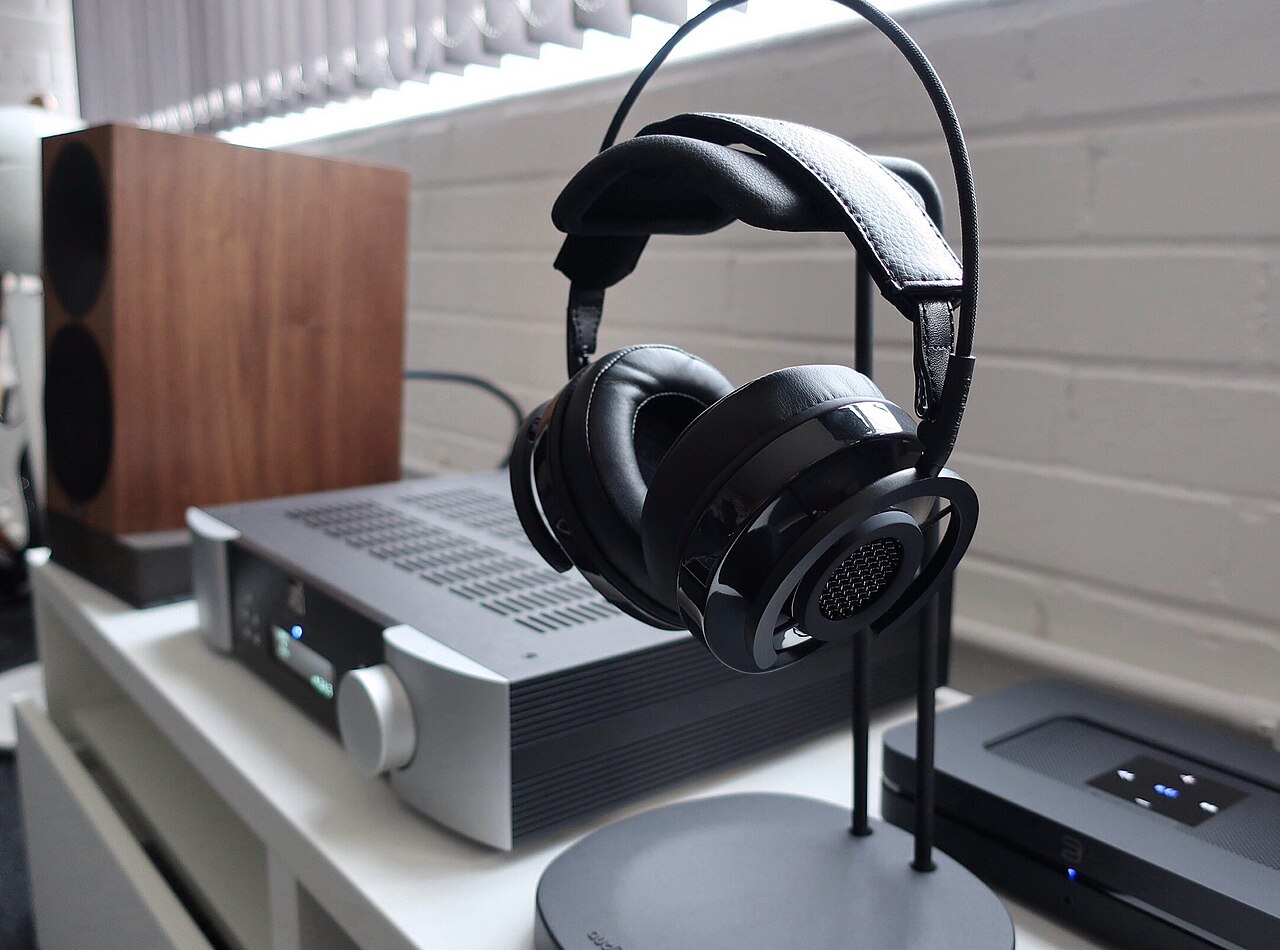
Headphones remove the room from the equation, which makes them useful and dangerous at the same time. A sealed pair produces high levels at the eardrum from a modest setting.
Set headphone levels with the same fixed-reference approach. If the level has to rise during a session to hear the same detail, stop and take a break rather than raising it.
Do not monitor on headphones for an entire day. Alternate between monitors and headphones so the ear does not adapt to one presentation for hours at a time.
Recognising fatigue
Ear fatigue arrives as a loss of high-frequency sensitivity and an increased tolerance for loudness. Both push a mixer toward brighter and louder decisions.
The symptom is a mix that sounds dull the next morning. If that happens repeatedly, the monitoring level is too high rather than the mix being wrong.
A reference track is the cheapest test. If the reference sounds duller than it did an hour earlier, the ear has fatigued and the session should end.
Protecting the ears in the room
High-level monitoring during tracking is unavoidable in some genres. Use sealed headphones or musicians’ earplugs with a flat attenuation curve rather than foam plugs, which remove the high frequencies unevenly.
Position the monitors so you are not in a corner or against a wall, where the reflected energy raises the level at your head without appearing on the meter reading at the desk.
Keep the room’s reverb time moderate. A reflective room adds energy at the listening position without contributing anything useful to the mix.
Practical routine
Measure and mark the level. Work in blocks of under an hour. Check at a low level. Use a reference track before each decision that matters.
Those four habits cost nothing and are the difference between a career and a decade of deteriorating high-frequency hearing.
A note on meters
Peak meters protect against clipping, and average meters describe loudness. The two are not interchangeable, and a mix that never peaks above minus 6 dBFS can still be fatiguing if its average level is high.
Watch both, and trust your ears only after the level has been fixed and rested.
Working alone
When no one else is in the building, the temptation to raise the level is strongest and the risk is highest. Set the mark before the session and treat it as fixed.
A single loud reference listen at the start of a session is a reasonable exception, provided it lasts seconds rather than minutes.